How to understand the 澳洲幸运8开奖时间表 in practical terms
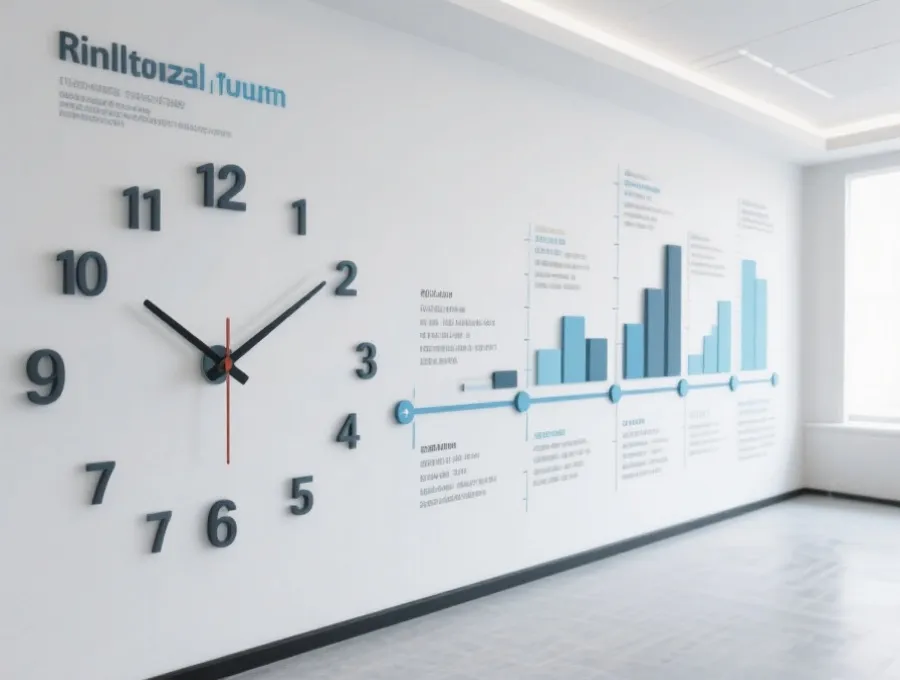
Many users first look for a fixed time, but a better approach is to understand the pattern behind the draw cycle. 澳洲幸运8 is commonly followed as a recurring timeline rather than a once-per-day event. That means the most valuable reference is not only a single clock time, but the relationship between one completed round and the next.
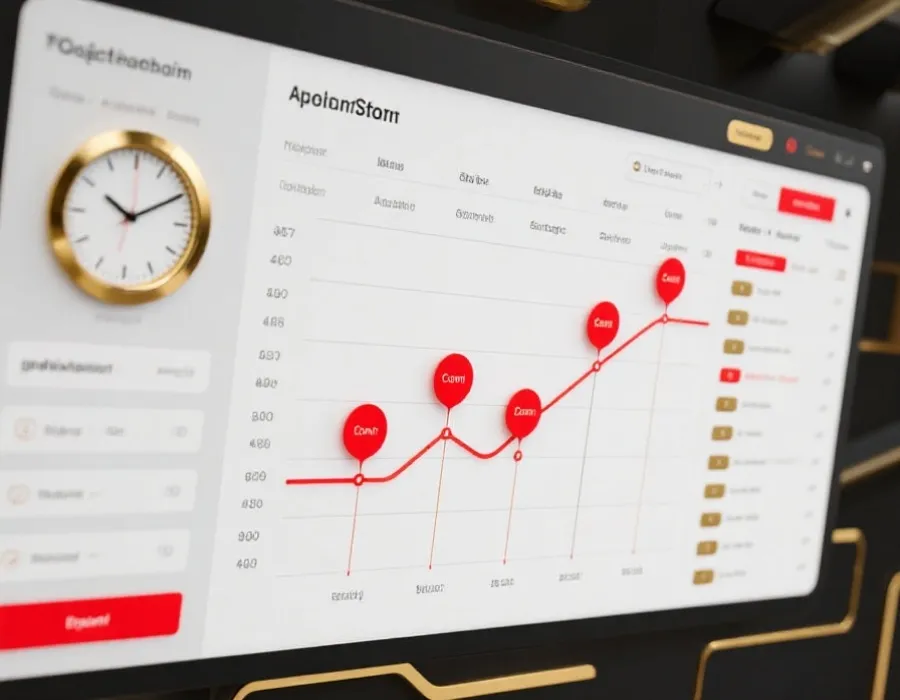
When people search 开奖时间表, they are usually trying to answer one of several practical questions: when the next round is likely to open, how often the sequence advances, how closely live information reflects the current phase, and how to match a recent result with the proper period. A reliable rhythm reduces uncertainty, especially for users who monitor dozens of rounds across the day.
This is why 每日开奖周期与频率计划 is more than a list of times. It functions as a timing map. Once the interval pattern becomes familiar, it is easier to identify whether the draw is approaching, currently active, or already completed. For regular followers of 澳洲幸运8官网, this rhythm becomes part of a daily checking habit.
Typical daily rhythm users care about most
Upcoming draw awareness
People checking 即将开奖期数 want to know whether they are early, on time, or already between rounds. This is the most immediate schedule use case.
Interval consistency
A dependable 开奖周期 helps users compare expected timing with live updates and understand whether the current sequence is progressing normally.
Review after completion
Once a round ends, users often move directly to 澳洲幸运8开奖结果 to verify the result and match it with the correct period.
Long-session monitoring
Frequent draw followers usually do not need constant refreshing. A stable timing routine makes monitoring more efficient and less repetitive.
Why timing matters more in high-frequency draws
In slower formats, missing a result by a few minutes often has little impact. In high-cycle environments such as 澳洲幸运8, the difference is much bigger. A short delay can place a user one full round behind. That is why searches related to 开奖时间, 时刻导航, and 全月开奖计划 tend to come from users who want a reliable cadence rather than occasional information.
Timing also shapes trust. When schedule expectations, live status, and result history align cleanly, users can move from observation to confirmation without friction. If one source feels late or detached from the draw rhythm, confidence drops. Strong schedule awareness therefore supports both accuracy perception and smoother decision-making.
For newer users, the schedule acts as orientation. For returning users, it becomes a habit anchor. Both groups benefit from the same principle: follow the sequence, understand the interval, and compare current timing with the most recent completed round.